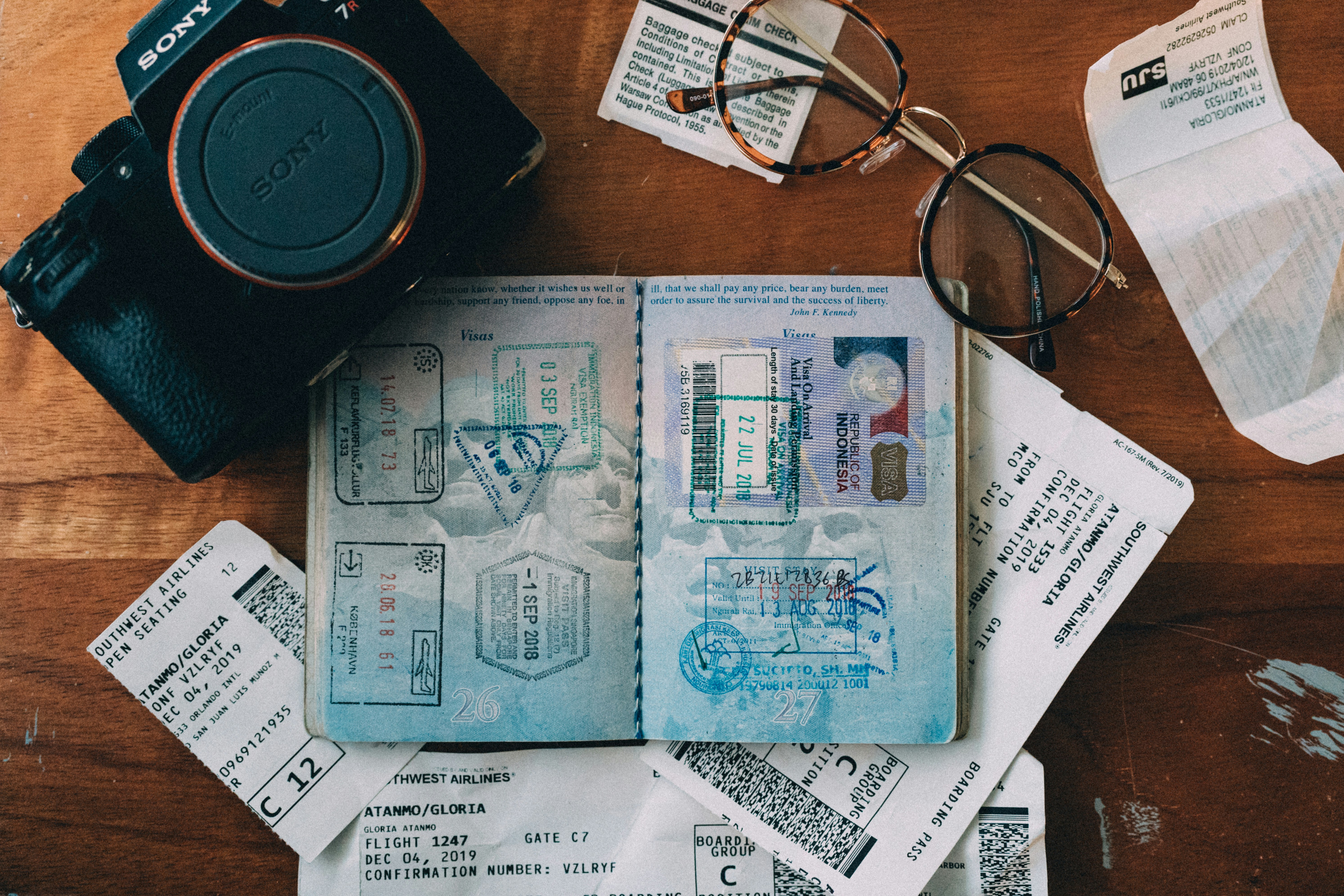
The trip to Japan did what travel is supposed to do. It reset something. The cherry blossoms were extraordinary. The quiet of it. Being somewhere nobody knew him, where nothing about his old job existed. It was exactly what he needed.
He came back. He started to rebuild. And then he tried to book another trip.
The prices had doubled.
Not because anything had changed about the flight. Not because fuel costs had shifted or the airline had improved. The prices had doubled because it was now a peak period and the algorithm had decided that people who needed to fly should pay more for needing to.
That was the moment. Not some grand strategic insight in a meeting room. Just one person, sitting in front of a laptop, watching a price he could not afford appear where an affordable one had been the week before. Wondering why travel, something that had just saved him — was designed to feel like a punishment.
He started asking people around him. Friends who had never left the UK, not because they did not want to, but because airfare was a gamble they could not afford to lose. Parents who saved for months only to watch prices spike in the school holidays. The only time they could actually take their children. Students who turned down exchange programmes because the return flight cost more than their rent.
The problem was not a lack of desire to travel. The problem was that the system was built to extract money from that desire.
That single question: why should travel feel like a luxury when so many people dream of seeing the world? That question became the founding question of Elope.